The Filipino Debut vs the Aussie 21st: One Has Choreography, 18 Roses and a Run Sheet. The Other Has a Slab and a Slideshow.
Sydney's Filipino debuts are the most produced birthday parties in the city — and the humble Aussie 21st isn't even in the same league. Here's the breakdown.
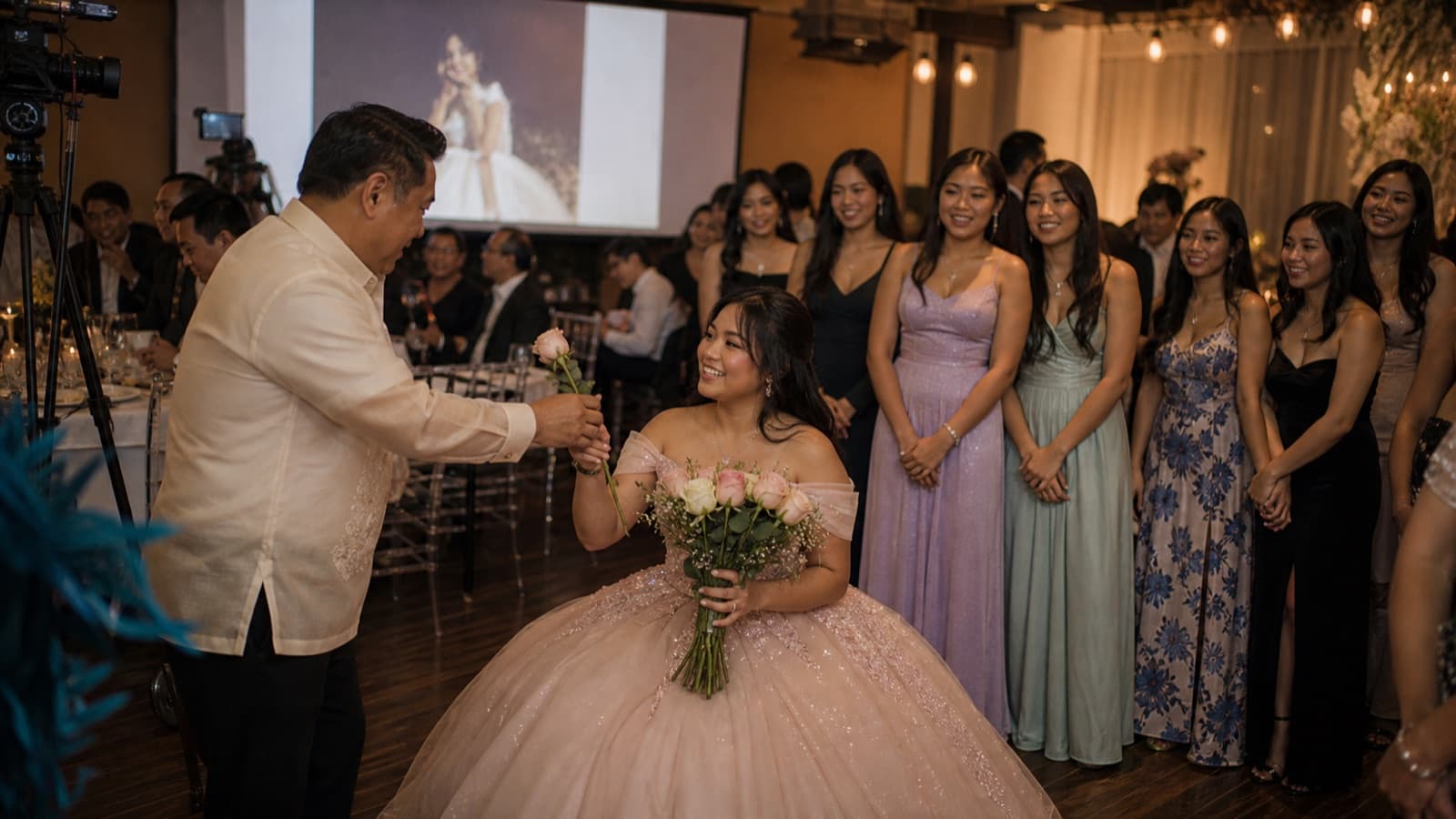
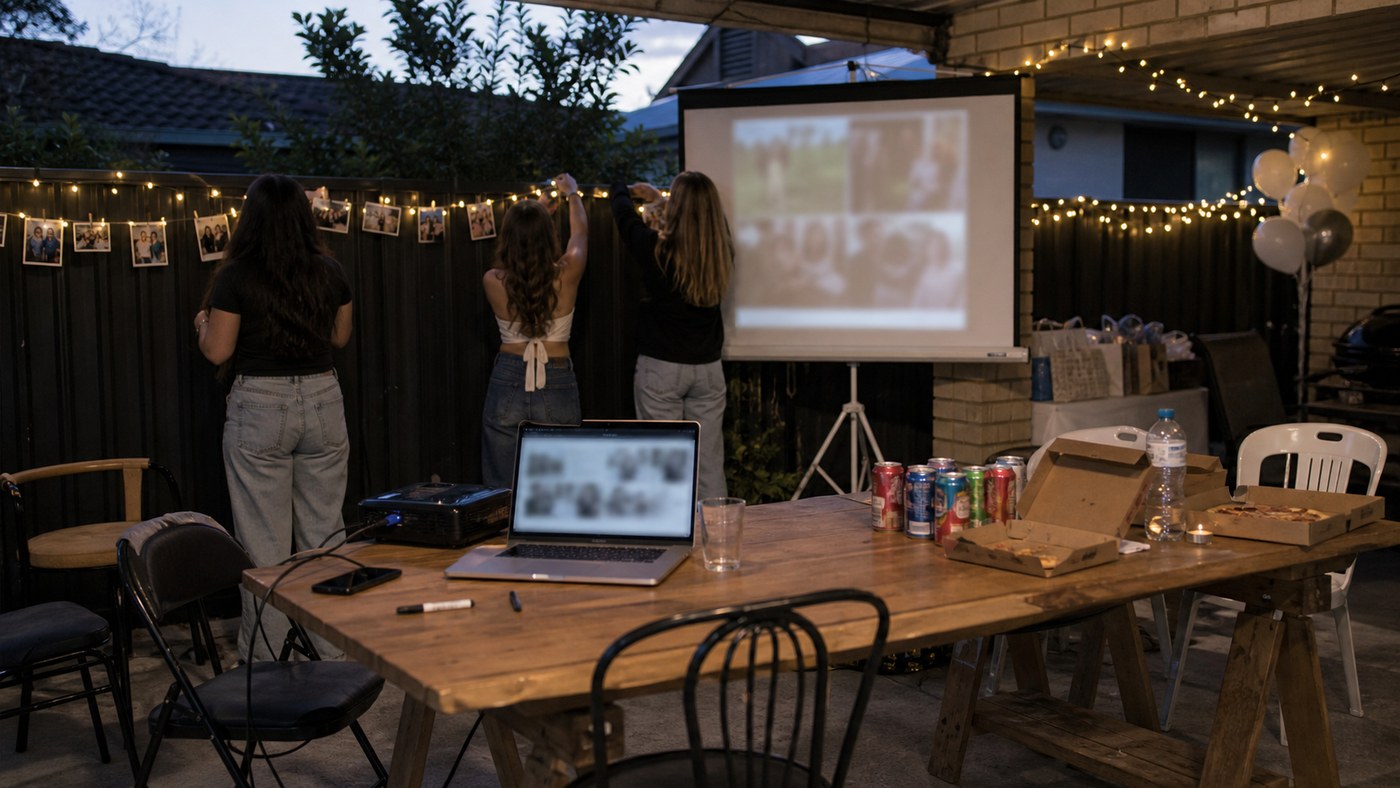
Somewhere in Sydney this weekend, two coming-of-age parties are happening at the same time. In one function room, an 18-year-old in a gown is making a grand entrance to a choreographed waltz while a six-page run sheet keeps 200 guests, a live band and three generations of family moving in formation. In a backyard a few suburbs over, someone's turning 21 next to an esky while their mate queues up a PowerPoint of embarrassing baby photos.
One of these is a Filipino debut. The other is the classic Aussie 21st. And with Philippine Independence Day landing on 12 June — a date Sydney's Filipino community, one of the biggest in the country, does not let pass quietly — it felt like the right week to settle this: which party format actually wins? Spoiler: it's not close. But the 21st can steal a few moves, and I'll tell you which ones.
Round One: The Entrance
A debut doesn't start. It opens. The debutante is announced by name, the doors swing wide, the lighting changes, and she walks in like the headliner she is — because she is. Everything that happens for the next four hours happens around her. In western Sydney, where suburbs like Blacktown host some of the largest Filipino communities in New South Wales, families plan these nights for over a year, and venues from local function centres to harbourside rooms like Doltone House have seen debuts that out-produce most weddings.
The Aussie 21st entrance? The birthday person is usually already there, holding a sausage roll, and someone yells "speech!" three hours too early. That's the whole entrance.
Round Two: The Program
This is where the debut runs up the score. The traditional format has actual structured content, and it's brilliant:
- The 18 Roses — eighteen significant men in the debutante's life, usually starting with her father, each present a rose and share a short dance with her.
- The 18 Candles — eighteen significant women each light a candle and give a short speech or wish for her future.
- The 18 Treasures — eighteen guests present meaningful gifts, each with a few words about why.
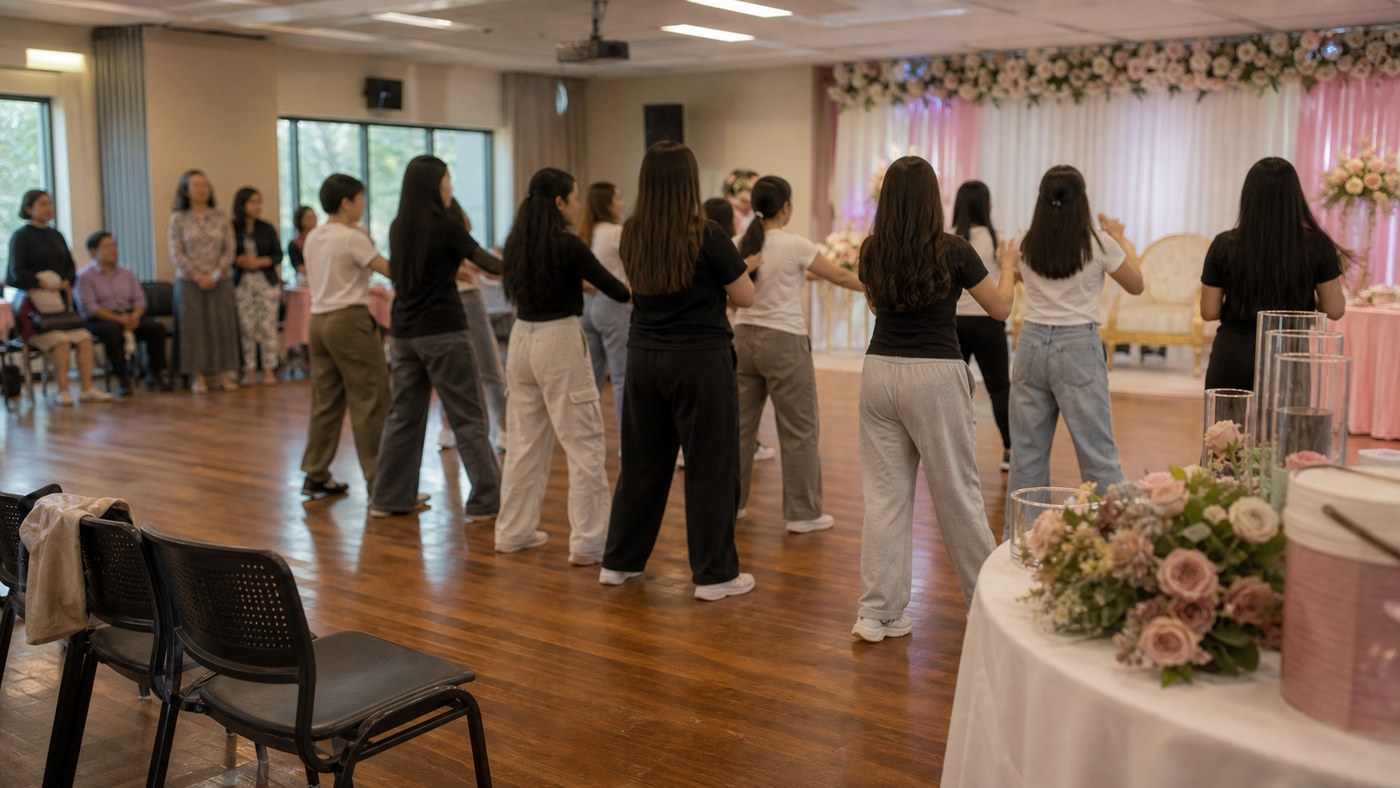
- The Cotillion — a fully choreographed group waltz performed by the debutante and her court. Rehearsed. For weeks. Sometimes months.
Count it up: that's fifty-four structured speaking and performance moments in a single night, plus a father-daughter dance, plus dinner service, plus a live band or DJ, plus whatever surprise performance the cousins have been secretly rehearsing. The 21st has one speech from a parent, one from a best mate who was specifically chosen because they have the most damaging stories, and the key ceremony if the family's feeling traditional.
Round Three: The MC (This Is Where It Gets Serious)
Here's the thing nobody tells you about a debut: fifty-four structured moments don't run themselves. Eighteen roses with eighteen short dances can either be the most moving sequence of the night or a forty-minute energy flatline — and the difference is entirely the person holding the microphone. A good debut MC knows when to let a moment breathe, when to gently hurry along rose number eleven who is telling his entire life story, and how to land the transition from tearful candle speeches back to party mode without giving the room whiplash.
And in Sydney, there's a layer on top: language. At a typical debut, the grandparents' generation may be most comfortable in Tagalog or Bisaya, the parents move between languages mid-sentence, and the debutante's school friends speak pure Western Sydney English. An MC who can work across both — honouring the lolas in the front row and keeping the back tables laughing — isn't a nice-to-have. It's the difference between half the room feeling like guests and the whole room feeling like family. That's exactly the gap bilingual MCs were born to fill, and it's why debut families who've seen one in action never go back.
The 21st, meanwhile, is traditionally MCed by whoever grabs the mic first. We've all seen how that ends.
Round Four: The Stakes
A 21st that goes sideways is a funny story by Monday. A debut that goes sideways is a family event with a year of planning, a serious budget, relatives who flew in from Manila, and a teenager at the centre of it who will remember this night at her own daughter's debut. The stakes are weddings-level. The production is weddings-level. The planning deserves to be weddings-level too — which means booking the MC with the same seriousness you book the venue, not as an afterthought the week before.
What the Aussie 21st Should Steal
I come not to bury the 21st — it's a great night and the slideshow is a genuinely good bit. But steal these three things from the debut playbook: give the night a shape (even three planned moments beat zero), give someone actual responsibility for the mic, and make the guest of honour the centre of a moment, not just the reason for the catering. You don't need eighteen roses. You need one hour of the night that was designed on purpose.
And if you're planning a debut anywhere in Sydney — from a Blacktown function room to a waterfront ballroom — get an MC who knows the format, respects the traditions, and can switch languages as smoothly as your titas switch topics. The Stage MC has bilingual MCs who've run these nights before. Your 18 roses deserve better than a nervous cousin with a crumpled piece of paper.
More from the blog


Planning an event of your own?
Tell us about it — we’ll hand-match an MC who fits the room, the language and the moment.