Case Study: A Cabramatta Wedding Ran a Tea Ceremony, a Full Banquet and Two Languages in One Night. One Decision Kept 200 Guests in Their Seats.
A Vietnamese-Australian wedding off John Street had every ingredient for a 40-minute lull. Here is the one booking decision that saved the night.
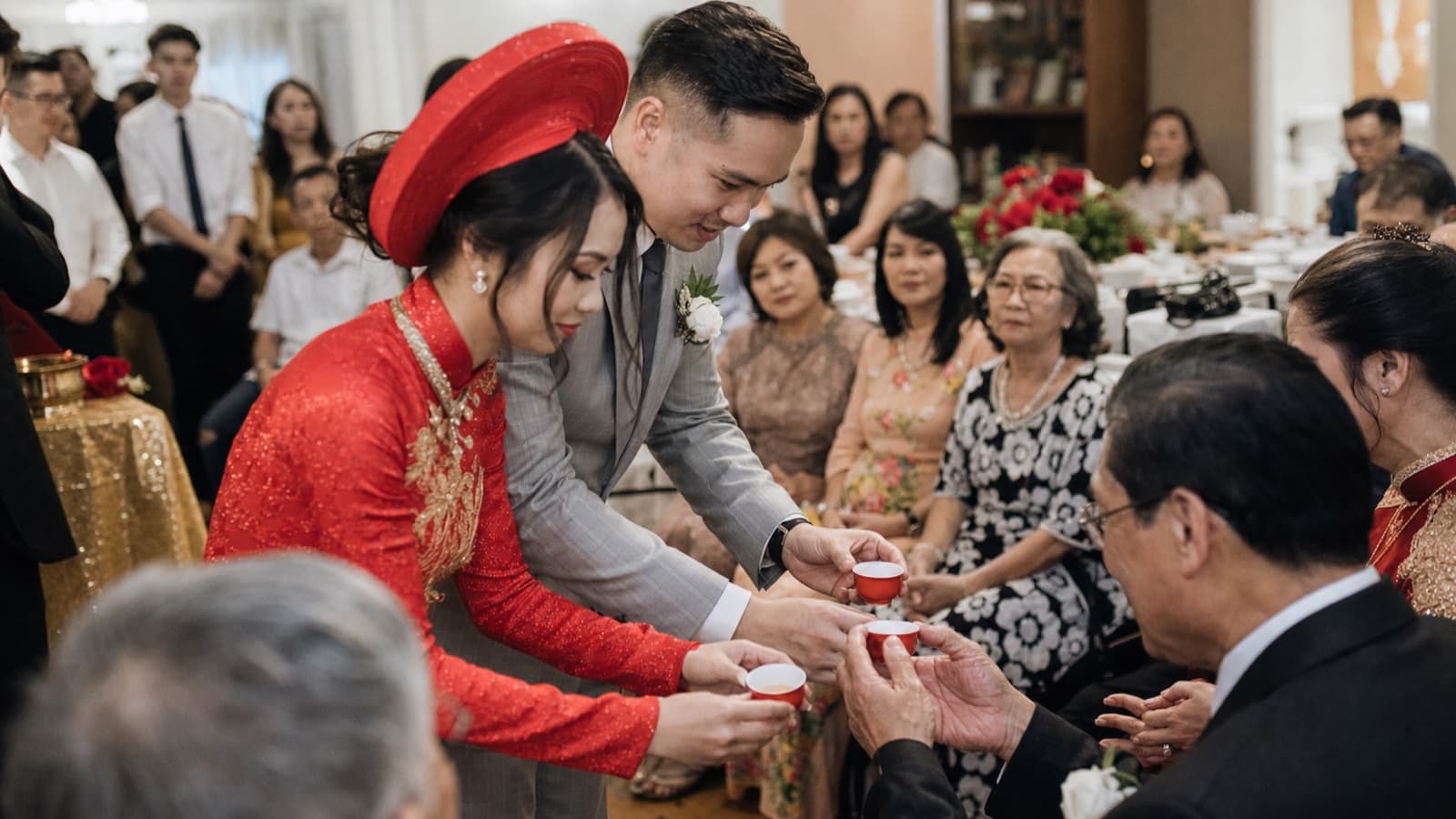
Here is a scene that plays out at Vietnamese-Australian weddings across Cabramatta, Canley Heights and Bankstown almost every weekend, and almost nobody admits it: the tea ceremony runs long, the banquet kitchen is on its own schedule, and somewhere around the third course there is a 40-minute hole where 200 guests quietly start checking their phones, refilling their own Hennessy, and wondering whether they can sneak out before the cake.
This is a composite case study, stitched from real Sydney weddings I have stood at the front of, with the names and identifying details stripped out. But every beat of it is real, because the problem is real. And the fix was one decision the couple almost did not make.
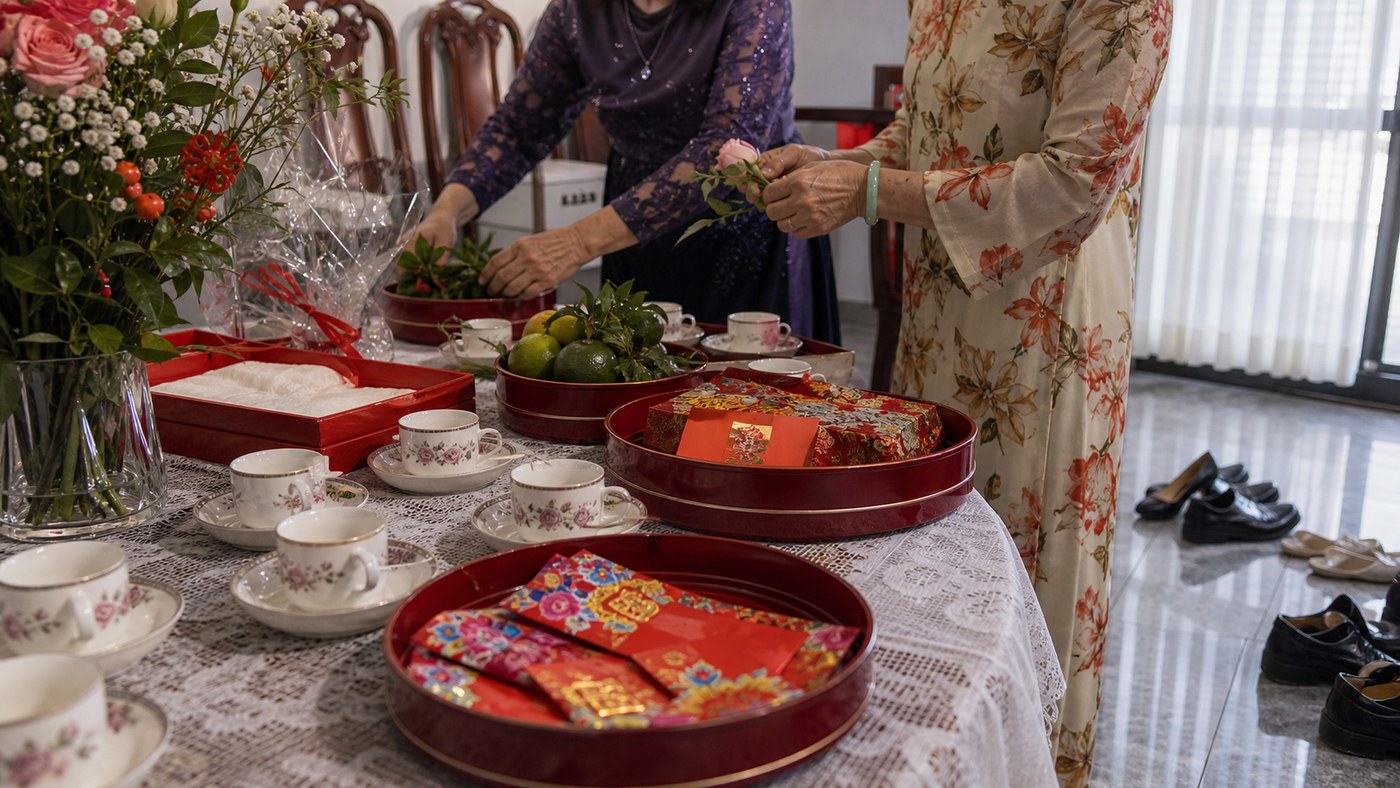
The setup: two ceremonies, one room, zero margin
The couple — bride from a Cantonese-speaking family, groom from a Vietnamese one — booked a 200-seat banquet hall a short walk from the Pai Lau gate and Freedom Plaza. Beautiful room. Ten-course menu. A guest list that ranged from grandparents who spoke no English to cousins who spoke nothing but.
The day had two engines running at once. The traditional tea ceremony, where the couple serve tea to elders in seniority order and receive blessings and gold, is not a thing you rush. It is the emotional core of the whole event and it takes as long as it takes. Then the banquet, ten courses delivered on the kitchen's clock, not yours. Course four does not care that you are still on speeches.
The couple's original plan was the one everybody defaults to: ask a charismatic uncle to "say a few words and keep things moving." He is funny at karaoke. How hard can it be.
What nearly went wrong
Three weeks out, the bride's sister — who had sat through exactly this format at four other weddings — pushed back. Her argument was simple. The uncle speaks brilliant Vietnamese and rusty English. Half the room would understand his jokes. The other half would sit politely through them, the way you do at a wedding, smiling at sounds. And nobody, however charming, can hold a room of 200 through a 40-minute kitchen gap on improvisation alone.
So they booked a professional MC who works fluently across both languages. Here is what that actually changed, because it was not the languages on their own — it was what the languages let the MC do.
The one decision that saved the night
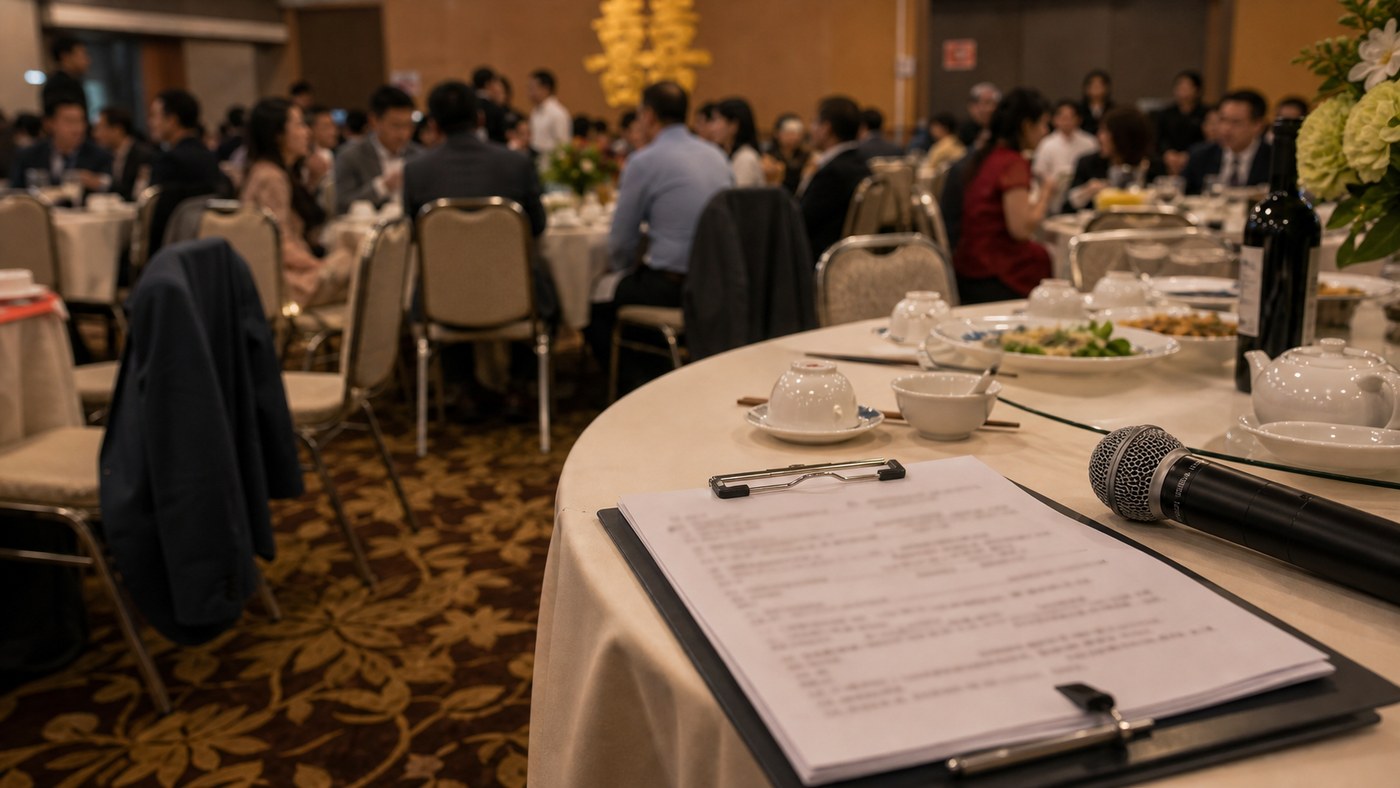
The decision was not "hire a bilingual MC." The decision was to let that MC own the run sheet, not just the microphone.
An uncle reads announcements. A real MC manages time. Those are completely different jobs, and Sydney couples confuse them constantly. The MC spent twenty minutes on the phone with the venue captain two days before, mapping which course landed when, where the tea ceremony's natural pauses were, and exactly where the danger gap would open up.
Then, on the night, when the kitchen fell behind between courses four and five — as it always does — the MC did the thing the uncle could never have done. He filled the gap on purpose. A short, warm bilingual segment that pulled the grandparents into a story the younger cousins had never heard, switching languages mid-thought so neither half of the room was ever locked out. The gold-giving moment got its own spotlight instead of being buried. The 40-minute hole became the part guests talked about afterwards.
Nobody left before the cake.
Why bilingual mattered — and why it was not the whole story
Plenty of vendors will sell you "bilingual MC" as if the second language is a party trick. It is not. In a room where the elders genuinely cannot follow English, an MC who only works in one language is physically leaving people out of their own grandchild's wedding. That is the real cost, and it is invisible until you watch a grandmother's face go blank during the toast that was supposedly for the whole family.
But the language was the entry ticket, not the win. The win was a professional who treated the night as a logistics problem with a heart, who knew that a Cabramatta banquet is a different animal from a Hunter Valley vineyard sit-down, and who had a plan for the gap before the gap arrived.
The takeaways for anyone planning the same night
- Budget for the gap, not the speeches. The speeches are easy. The dead air between a long tea ceremony and a kitchen-paced banquet is where weddings deflate. Hire for that.
- One language is not optional in a multilingual room. If a third of your guests cannot follow the MC, a third of your guests are spectators at their own family event.
- The funny uncle is a feature, not the MC. Give him a toast. Give him a song. Do not give him the run sheet.
- Brief your MC with the venue, not just the couple. The best save of the night happened because of a phone call three days earlier.
Cabramatta throws some of the warmest, most generous weddings in Sydney. The food is unbeatable, the families show up in force, and the gold is real. The only thing that consistently lets these nights down is the assumption that running them is easy. It is not. It just looks easy when someone who knows what they are doing is quietly holding the whole thing together in two languages at once.
If you are planning a multilingual celebration anywhere from Cabramatta to Bankstown to Chatswood and you want the gap handled before it opens, that is exactly what we do.
More from the blog


Planning an event of your own?
Tell us about it — we’ll hand-match an MC who fits the room, the language and the moment.