← The blog
Corporate Events16 May 2026 · 7 min read
Why Every Product Launch Needs an MC — Not Just a Countdown Timer
A product launch lives or dies in its first 90 seconds. Here's why a skilled MC turns a reveal into a movement.
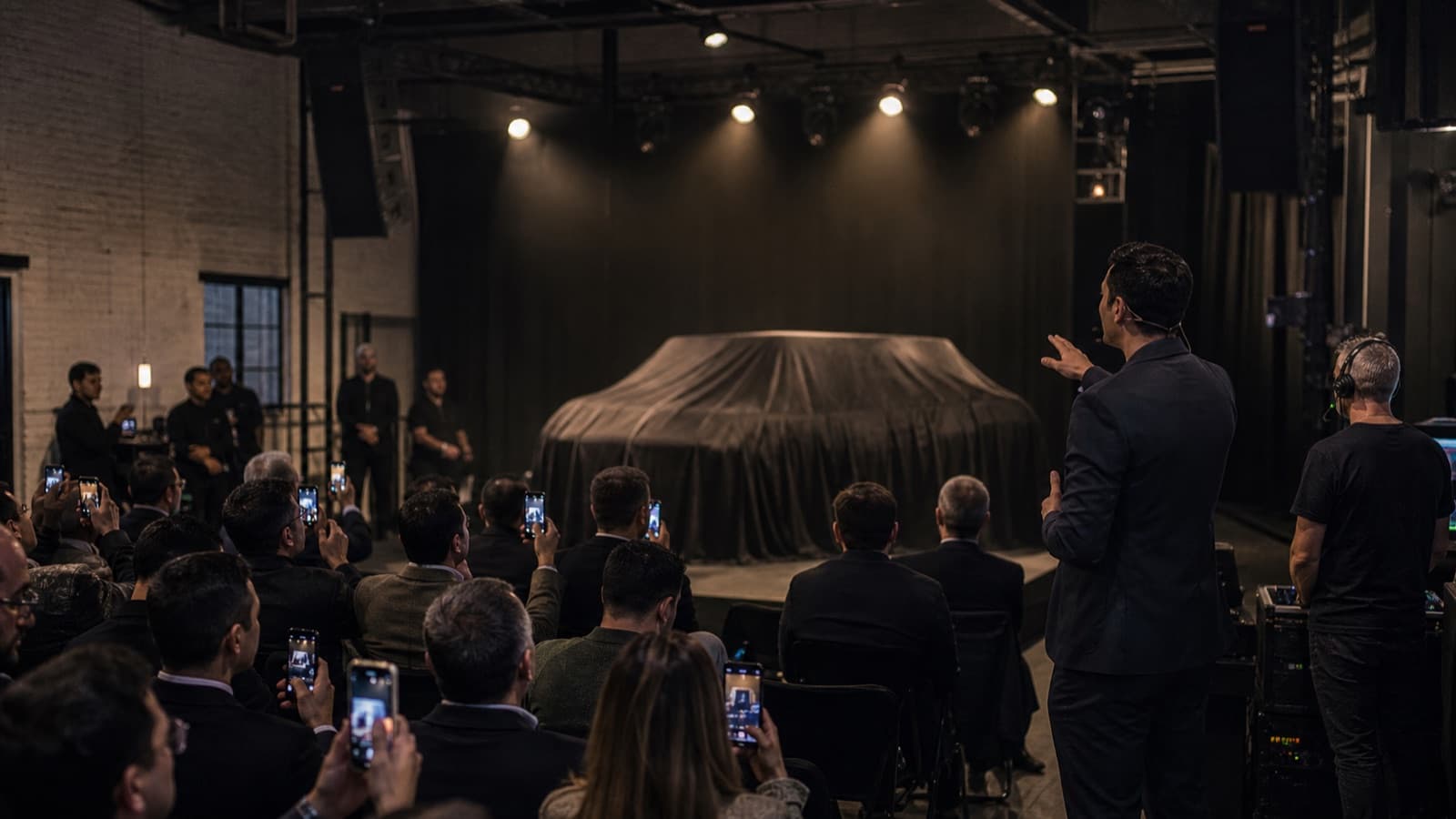
# Why Every Product Launch Needs an MC — Not Just a Countdown Timer
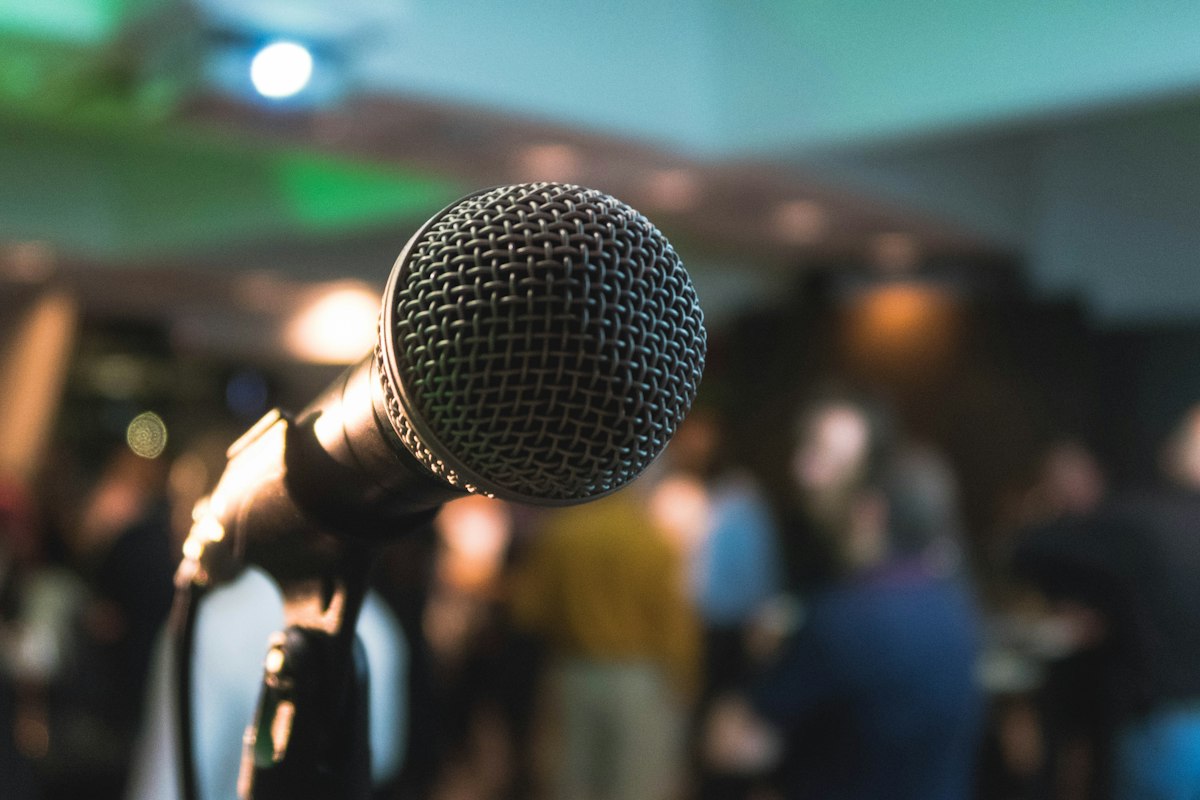
There is a moment at every product launch that determines whether the audience leaves as customers or as people who attended an event. It is not the moment the curtain drops. It is not the demo. It is the 90 seconds before the reveal — when someone with a microphone either builds the room into a frenzy or lets the energy leak out like air from a punctured balloon.
That someone is the MC. And in 2026, as product launches become increasingly hybrid, immersive, and content-driven, the MC's role has never been more critical — or more misunderstood.
## The Problem With "Just Press Play"
Too many brands treat their launch like a YouTube premiere. Countdown timer. Lights dim. Product appears. Applause. Done.
It works on screen. It dies in a room.
Here is why: a live audience needs emotional scaffolding. They need to be told — without being told — how to feel. They need permission to be excited. They need the gap between "I'm sitting in a chair" and "I'm witnessing something historic" bridged by a human voice that believes it first.
That is what an MC does. Not announce. Not narrate. *Conduct.*
## The Architecture of a Great Product Reveal
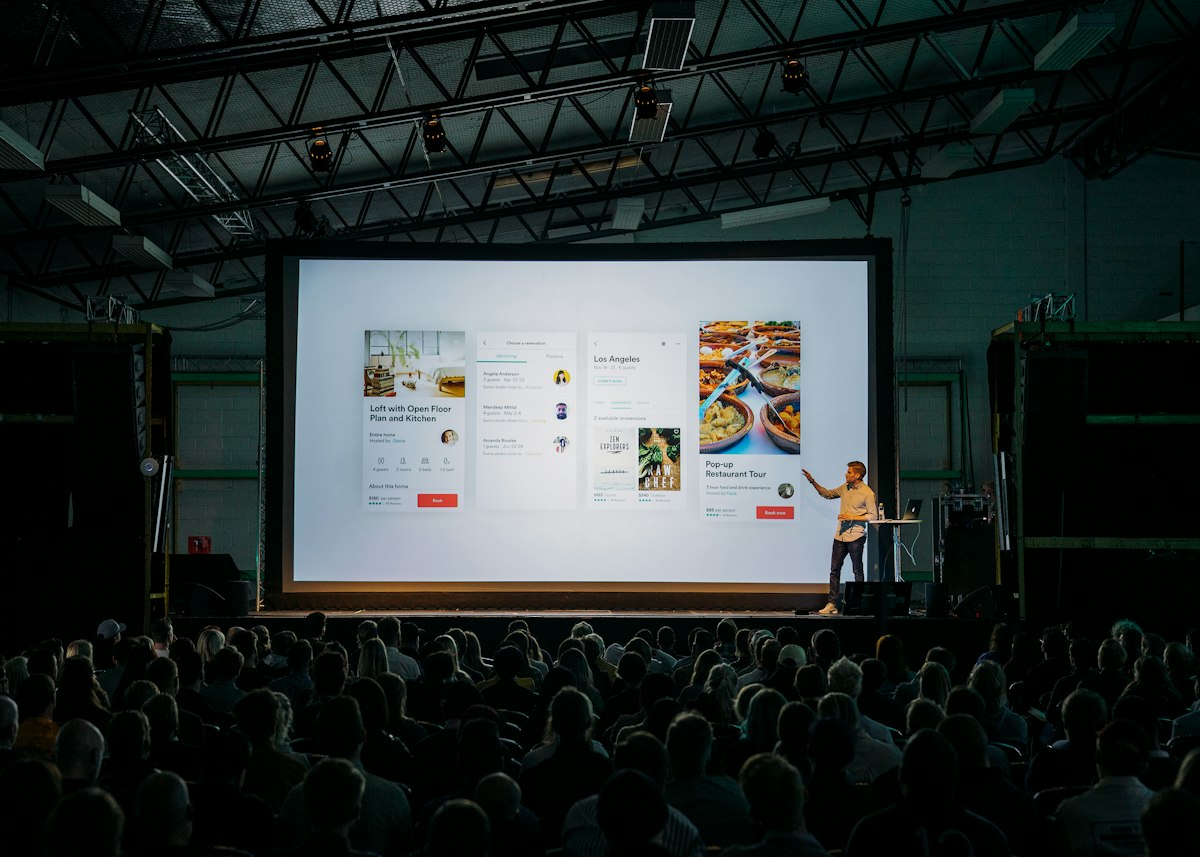
The best product launch MCs in Sydney — and globally — understand that a reveal has three acts:
### Act 1: The Setup (10-15 minutes before reveal)
The MC's job here is context and anticipation. Not hype — anticipation. There is a difference. Hype is loud and empty. Anticipation is specific and earned.
Great MCs do this by:
- **Seeding curiosity**: "In a few minutes, you're going to see something that took 847 days to build. I've seen it. I'm still thinking about it."
- **Acknowledging the audience**: "You're here because you were invited. Not everyone was. That matters."
- **Creating stakes**: "What you see next changes how this company talks about itself. Permanently."
None of this is scripted corporate speak. It is conversational, confident, and slightly conspiratorial — like you are letting the audience in on something.
### Act 2: The Reveal (60-90 seconds)
This is where most launches fumble. The MC either disappears entirely (letting a video do the work) or over-narrates (competing with the visual).
The masterclass approach: **the MC becomes the audience's emotional proxy.**
"There it is."
Two words. Said with genuine wonder. Then silence. Let the room react. Let phones come out. Let the gasps happen.
Then — and only then — hand off to the product lead, founder, or demo team. The MC's job in the reveal is to *frame*, not *fill*.
### Act 3: The Landing (5-10 minutes after)
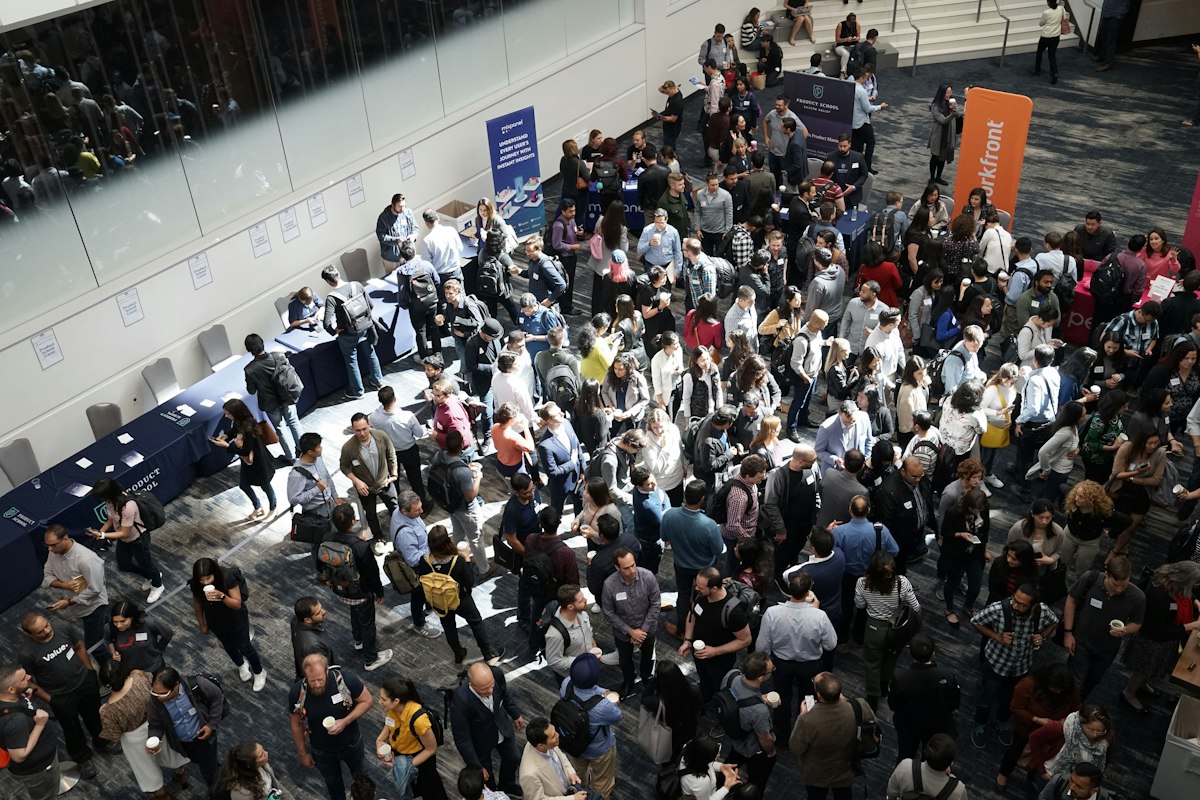
This is where the MC earns their fee. The reveal energy is peaking. The audience is buzzing. And now someone needs to channel that energy into action — whether that is a demo queue, a pre-order link, a media scrum, or simply keeping 400 people engaged while the CEO takes questions.
The MC transitions the room from spectacle to substance:
- "Now you've seen it. Let's talk about what it actually does."
- "I know you have questions. So does [CEO name]. Let's get into it."
- "Before we open the floor — one thing you should know about what you just saw..."
This is traffic control disguised as charisma.
## Why Hybrid Launches Made MCs Essential
In 2026, most significant product launches in Sydney serve two audiences simultaneously: the 200-500 people in the room and the thousands watching via livestream.
A screen cannot read a room. An MC can.
The MC bridges both audiences by:
- **Verbalising reactions** the remote audience cannot see: "The room just went completely silent. That's how you know."
- **Directing attention** for cameras: "If you're watching from home, look at the faces in row three right now."
- **Managing pacing** between in-person energy and streaming attention spans
Without an MC, hybrid launches feel like two separate events happening in the same space. With one, they feel unified.
## The Sydney Product Launch Scene
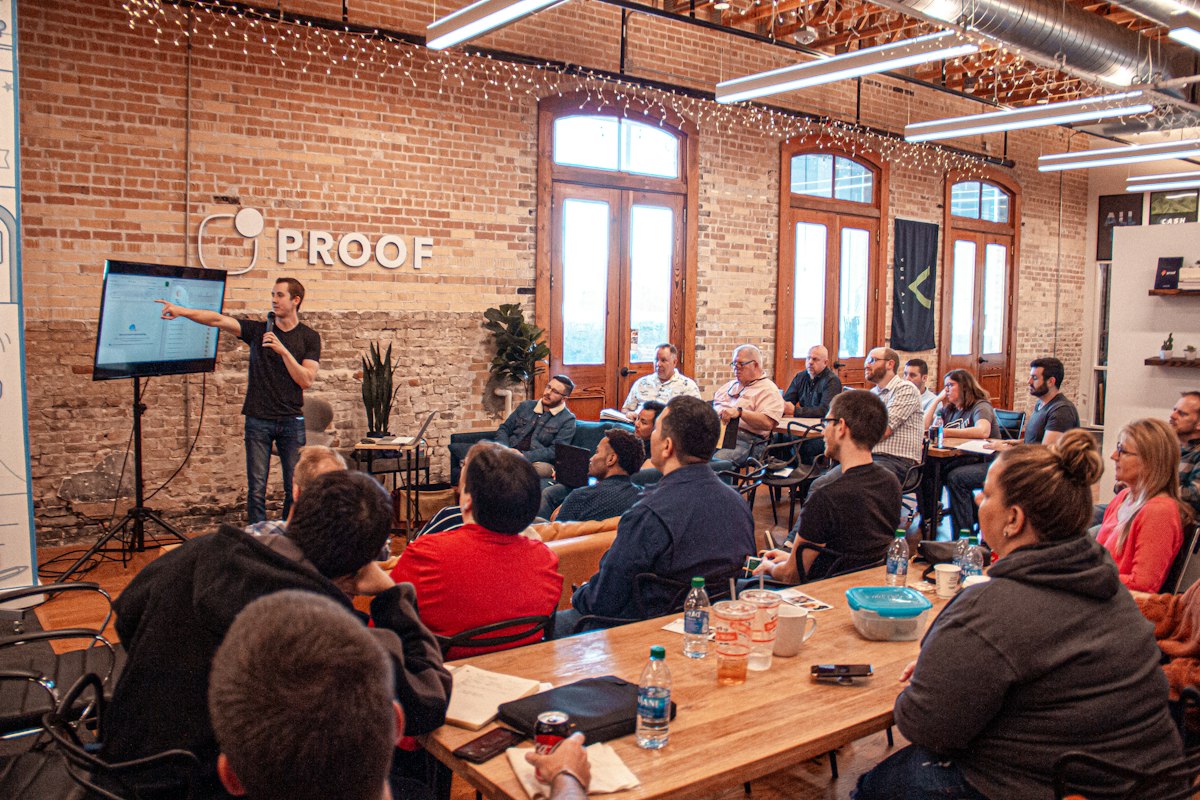
Sydney's tech and lifestyle brands are increasingly investing in experiential launches. From Barangaroo waterfront venues to converted warehouse spaces in Alexandria, the city's launch culture has matured beyond the "drinks and a PowerPoint" era.
What the best Sydney launches have in common:
- **Narrative-first design**: The event tells a story, not just displays a product
- **Audience segmentation**: VIPs, media, creators, and general attendees get different touchpoints
- **Content capture**: Every moment is designed to be shareable
- **A professional MC**: Someone who understands pacing, energy management, and the difference between hosting and performing
The brands that skip the MC — relying on founders or marketing directors to host — often discover the hard way that being brilliant at building products and being brilliant at commanding a room are entirely different skills.
## What to Look for in a Launch MC
If you are planning a product launch and considering an MC, here is what separates the professionals from the presenters:
1. **They ask about the product before the event**: A great MC wants to understand what they are revealing. Not just the specs — the story, the struggle, the significance.
2. **They rehearse transitions, not just scripts**: The moments between segments are where launches fall apart. Professional MCs obsess over these.
3. **They know when to be invisible**: The best launch MCs make the product the star. They amplify, they do not compete.
4. **They handle the unexpected**: Tech fails. Demos crash. Founders freeze. A seasoned MC turns disasters into moments.
## The Bottom Line
A product launch is not a presentation. It is a performance. And every performance needs a conductor — someone who understands timing, energy, audience psychology, and the art of making a room feel something together.
That is what an MC brings to your launch. Not a voice. A *presence*.
---
*Planning a product launch in Sydney? [The Stage MC](https://thestagemc.com.au) specialises in corporate events, brand reveals, and hybrid launches that convert audiences into advocates.*
More from the blog


Planning an event of your own?
Tell us about it — we’ll hand-match an MC who fits the room, the language and the moment.