Trend Report: Sydney's Multi-Day Indian Wedding Season Is About to Take Over Spring — and Most Vendors Still Quote It Like a One-Nighter
Spring in Sydney doesn''t mean one Saturday reception anymore. It means four events, three suburbs and two languages — and the industry is still pricing it wrong.

It''s the first day of September. Sydney''s wedding season officially kicks off tomorrow in every vendor inbox in the city, and somewhere in Harris Park a family is finalising a calendar that has four events on it, not one.
Here''s the trend nobody in the mainstream Sydney wedding industry has properly priced in: the multi-day wedding is no longer a niche. It is a significant and growing share of spring and summer bookings across Western Sydney and the inner west, and a large chunk of the vendor market still quotes it, staffs it and briefs it as though it''s a single Saturday night with a slightly longer speech list.
India is one of the largest countries of birth among Sydney''s overseas-born residents, per ABS Census data, and the suburbs where that shows up hardest — Harris Park, Parramatta, Wentworthville, Eastwood, Strathfield — are exactly where the spring calendar gets loudest. If your event business hasn''t noticed, that''s not the market''s problem. That''s yours.
What Is Actually Changing
Three things, and they''re all happening at once.
One: the events are multiplying, not merging. Ten years ago the compromise version was common — trim the mehendi, fold the sangeet into the reception, keep it to one big night because that''s what the venue could handle. That''s reversing. Second-generation couples in Sydney are reinstating the full sequence: mehendi, sangeet, the ceremony, the reception. Often across different days, often across different suburbs, sometimes with a completely different guest list for each.
Two: the run sheet has gone bilingual by default, not by request. The couple''s friends speak English. The grandparents speak Hindi, Punjabi, Gujarati, Tamil or Telugu. Both groups are in the same room and both groups paid attention to the same moment. The old solution — one uncle with a microphone doing an ad-hoc translation while the DJ waits — is dying, and good riddance. It made every announcement twice as long and half as warm.
Three: the venues have caught on faster than the suppliers. Curzon Hall has been running large multicultural weddings for years. Doltone House knows what a baraat needs at the entrance. The Calyx and the Royal Botanic Garden are fielding ceremony enquiries from couples who want the greenery for photos and a hall in Parramatta for the reception. Venues adapted. A lot of MCs, DJs and photographers still haven''t.
Why Vendors Keep Getting the Quote Wrong
Because they price hours, and a multi-day wedding isn''t an hours problem. It''s a continuity problem.
A sangeet has a performance order — cousins, aunties, the groom''s mates who rehearsed twice — and somebody has to hold that order together while three separate WhatsApp groups renegotiate it in real time. The ceremony has ritual sequencing that cannot be rushed for the sake of a canapé window. The reception has speeches, entrances, cake, first dance, and a dance floor that will not stop once it starts.
Those aren''t four separate jobs. They''re one job with four acts. When you hire four different people who''ve never met, you get four different tones, four different pronunciations of the same family names, and four separate rounds of "sorry, what''s the order again?"
What Smart Sydney Couples Are Doing Instead
- Booking one MC across all events. By the reception, the MC knows which uncle will take the mic and not give it back. That knowledge is worth more than a discount.
- Briefing pronunciation once, properly. Names, not phonetic guesses scribbled on a card at 6pm.
- Treating language as staging, not subtitling. A good bilingual MC doesn''t repeat everything in two languages — that doubles the run time and halves the energy. They read which moments need which room, and switch.
- Locking spring dates in winter. October to April is the peak, and the good suppliers in Western Sydney are gone by August. If you''re reading this in September for a November wedding, you''re shopping the leftovers.
- Building a separate run sheet per event. One document with four tabs. Not one document with a hopeful paragraph at the bottom.
The Bit That Applies to Everyone
This isn''t only an Indian wedding story. It''s a Sydney story. The same shift is happening in Lebanese, Chinese, Korean, Vietnamese and Greek celebrations across the city — more events, more days, more languages in the room, and less patience for a supplier who treats "cultural" as a surcharge line item instead of the actual brief.
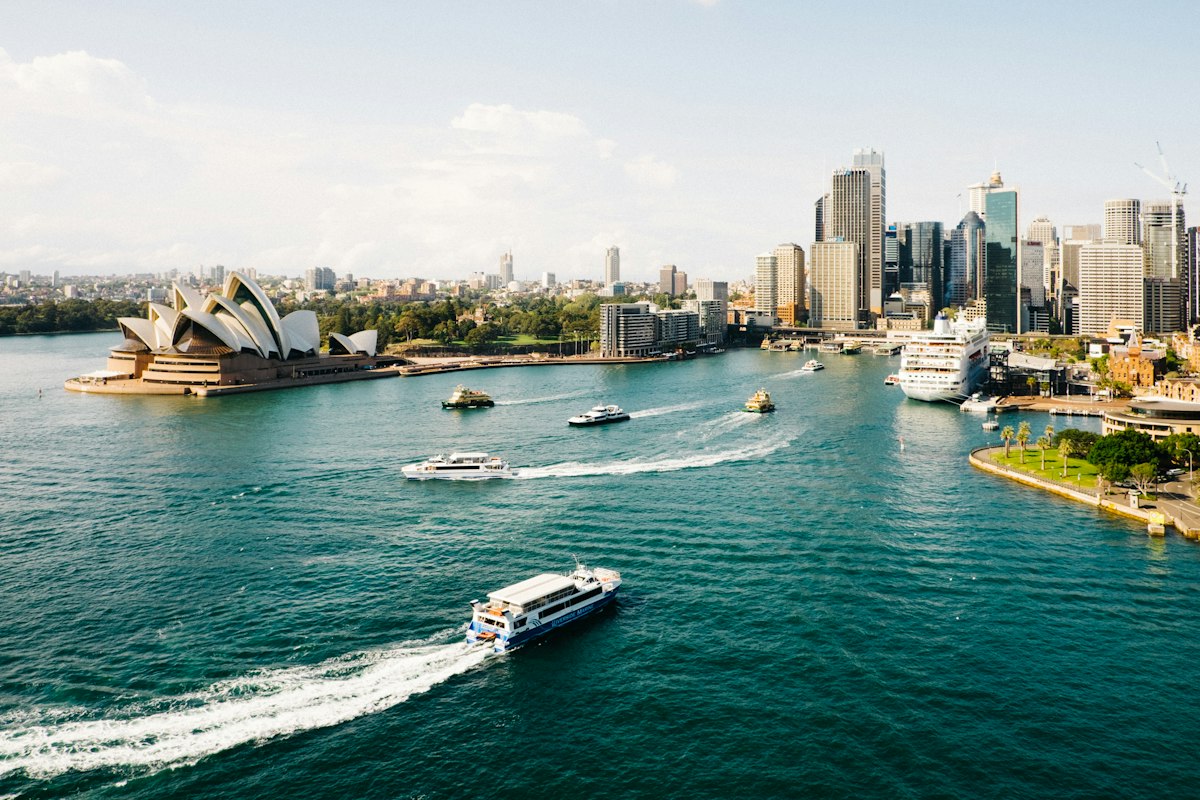
Sydney is one of the most multilingual cities on earth. Our event industry should be embarrassed that "can your MC work in two languages" is still a hard question to answer.
Spring starts tomorrow. The families are ready. The question is whether the vendors are.
More from the blog


Planning an event of your own?
Tell us about it — we’ll hand-match an MC who fits the room, the language and the moment.